Loading your experience...
Loading your experience...


A fish caught off the UAE coast is working against the clock from the moment it comes aboard. Heat, humidity and time at sea all push in the same direction, and the tools that slow that down are chilling, handling and salt. Salt is the least glamorous of the three, but a shortage of it, or the wrong crystal size, shows up quickly.
This page is for buyers who are ready to source: vessel owners and fishing cooperatives, fish processors and smokers, traders and distributors in the UAE. It follows the catch from the vessel to the processing unit, explains where salt is used at each stage, shows how to choose a crystal size and gives you simple formulas to plan volumes. Namakwala is a third-generation Indian salt manufacturer and exporter, and its Crystal Raw Salt is listed for the fishing industry among its uses.
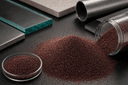
Namakwala Crystal Raw Salt is made by the natural evaporation of seawater. It is supplied as white crystal granules and keeps its natural mineral profile. It is non-iodized, with natural trace iodine, and is moisture-controlled to support a long shelf life. It comes in small, medium and large crystals, and in 25 kg bags, 50 kg bags and jumbo bags.
Stage = Use of salt = What the buyer cares about
On the vessel = Ice-brine for rapid chilling, general handling = Quick dissolving, easy to store on board
At the landing site or market = Chilling, curing and holding catch = Consistent crystals, dry bags
At the processing unit = Dry salting, brining, curing = Crystal size matched to the method
In cold storage = Brine tanks and general use = Reliable supply, low moisture
Your own recipe and the species you handle decide the details. Tell us your method, and we'll suggest a crystal size.
Use = Crystal size to consider = Why
Dry salting and curing = Large = Dissolves slowly, stays in contact with the fish
General curing and mixed use = Medium = A balance of dissolving speed and contact
Brining and ice-brine = Small = Dissolves faster and more evenly
This table is a starting point. Trial a sample in your own process before committing to a volume.
Buyer = What they usually need
Vessel owners and cooperatives = Salt in bags that stand up to a marine environment, predictable restocking
Fish processors and smokers = Crystal size matched to the method, consistent supply
Traders and distributors = Several crystal sizes and pack sizes from one source
Cold-chain operators = Reliable bulk salt for brine and general use
For a fleet
Monthly salt (kg) = vessels × trips per month × salt per trip (kg)
An illustrative fleet of 12 vessels, 4 trips a month and 300 kg of salt per trip:
Step = Calculation = Result
Salt per vessel per month = 4 × 300 = 1,200 kg
Salt for the fleet = 1,200 × 12 = 14,400 kg, about 14.4 t
With a 10% buffer = 14.4 × 1.10 = about 15.8 t
Monthly salt (t) = fish processed (t) × salt per tonne of fish (t) × (1 + buffer)
An illustrative processor handling 30 t of fish a month, using 0.15 t of salt per tonne of fish:
Step = Calculation = Result
Salt before buffer = 30 × 0.15 = 4.5 t
With a 10% buffer = 4.5 × 1.10 = about 4.95 t
In 25 kg bags = 4,950 ÷ 25 = about 198 bags
All figures are illustrative placeholders, not guidance. Salt use per trip and per tonne of fish comes from your own method and species, and it varies widely.
Fishing activity is not flat through the year. Weather, species and seasonal rules set by the authorities can change how much you catch and process, and the rules can change. Check the current ones, record your own monthly use and order ahead of your busiest period. For imported salt, a reorder point is: average monthly use × (shipping lead time in months + buffer in months). Ask us for current lead times.
Namakwala lists a 36-month shelf life for crystal raw salt, which helps with stock planning, but storage still matters.
If the salt will be in direct contact with fish for human consumption, tell us at the enquiry stage. Namakwala also supplies Food Grade Salt (minimum 99% NaCl, moisture below 0.4%), and we'll recommend the right product and discuss documents. Please confirm the requirements that apply to your business with the relevant UAE food-safety authority and your clearing agent before ordering.
Property = Specification
Appearance = White crystal granules
Crystal sizes = Small, medium, large
Origin = Natural seawater evaporation
Iodine = Natural trace iodine; non-iodized
Moisture = Controlled to support long shelf life
Packaging = 25 kg, 50 kg, jumbo bags
Shelf life = 36 months
Note: Specifications can be customized as per industry needs.
Namakwala ships from India under export documentation. Natural salt is typically classified under HS 2501, but confirm the code, duties and any UAE import requirements with your clearing agent before shipping.
Tell us your delivery port. We'll reply with a specification, sample options and a quote.
In UAE fishing, the right salt is a question of crystal size, dry storage and a supply you can plan. Match the crystal to the job, size your volume with the formulas above, keep a buffer and compare quotes on delivered cost.
Sourcing crystal salt for a UAE fishing operation? Send us your use, crystal size, monthly volume and delivery port, and Namakwala will reply with a specification and quote.
What crystal size is best for curing fish?
Larger crystals suit dry salting, since they dissolve slowly. Smaller crystals suit brining and ice-brine. Trial a sample in your own process.
Is crystal raw salt iodized?
It is non-iodized, with natural trace iodine.
What bag sizes are available?
25 kg, 50 kg and jumbo bags.
What is the shelf life?
36 months for crystal raw salt.
Can I use this salt on fish for human consumption?
Tell us the end use when you enquire. Namakwala also supplies Food Grade Salt, and we'll recommend the right product. Confirm UAE requirements with the relevant food-safety authority.