Loading your experience...
Loading your experience...


Salt looks like the simplest product on the shelf, which is exactly why so many UAE retailers and importers want to sell it under their own name. It is a staple every household buys, it turns over steadily, and a good private label can give a supermarket or distributor a better margin than a third-party brand.
But launching an own-brand salt means making several decisions before the first container ships: which grade, whether to iodize, which pack sizes, what paperwork the product needs, and who handles what. This guide walks through each one in the order you’ll meet them. Namakwala is an Indian salt manufacturer and exporter, and food grade salt is one of its core products.
Who This Guide Is For
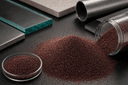
Namakwala’s food grade salt is supplied as refined iodized salt and as specialty food-grade salts. It has a white, crystalline powder or granular appearance, with a minimum 99% NaCl purity and moisture below 0.4%.
For a retail table-salt brand, a refined, free-flowing grade is the usual starting point. For a catering or HoReCa pack, a slightly coarser grade may suit the way kitchens use it. Tell us who is buying, and we will suggest a grade.
Namakwala’s food grade salt is iodized as required, with 30 ppm typical. If your brand is aimed at everyday household use, iodized salt is the usual choice. If you want a non-iodized line, for example for pickling or curing, say so up front, because the specification changes.
Namakwala’s food grade salt is offered in these sizes:
Pack = Typical channel
500 g and 1 kg = Retail shelf, supermarkets, grocery
25 kg and 50 kg = HoReCa, catering, small food producers
Jumbo bags = Food manufacturers, repackers
A common launch plan is to start with one or two retail sizes and add a trade pack once the brand is moving.
Own-brand packaging is where private label becomes yours: name, design, colours, product claims. Namakwala’s range includes custom packaging in consumer packs and bulk, and private-label packaging can be discussed. Share your artwork brief and we’ll tell you what is practical, including print and minimum order requirements.
This is where many launches slow down. Before you import, confirm with your local advisor or clearing agent what the UAE requires for your product, since food import registration, labelling (including language requirements) and shelf-life marking are set by the relevant UAE authorities and can change.
On our side, we can discuss the supporting documents you may be asked for:
Namakwala lists a 24-month shelf life for its food grade salt. In the UAE climate, storage matters, so keep stock dry and off the floor, and plan inventory so that the product with the shortest remaining life is sold first.
Property = Specification
Appearance = White crystalline powder or granules
Grades = Refined iodized salt, specialty food-grade salts
Purity = Minimum 99% NaCl
Moisture Content = Less than 0.4%
Iodine Content = As required; 30 ppm typical
Packaging = 500 g, 1 kg, 25 kg, 50 kg, jumbo bags
Shelf Life = 24 months
Note: Specifications can be customized as per industry needs. Private-label terms are discussed per enquiry.
A private label salt is a small product with a lot of small decisions. Settling grade, iodine, pack size, packaging and paperwork early keeps the launch on schedule and keeps your costs predictable.
Planning your own salt brand for the UAE? Send us your target packs, volume and artwork brief, and Namakwala will respond with a specification and quote.
What purity is Namakwala food grade salt?
Minimum 99% NaCl, with moisture below 0.4%.
Is the salt iodized?
It is iodized as required, with 30 ppm typical. A non-iodized option can be discussed.
What pack sizes are available?
500 g, 1 kg, 25 kg and 50 kg packs, and jumbo bags.
Can I sell the salt under my own brand?
Private-label packaging can be discussed. Contact Namakwala with your brand brief, volume and pack sizes.
What documents will I need to import salt into the UAE?
Typically commercial documents plus whatever food import registration and labelling your local authority requires. Confirm current requirements with your clearing agent, and ask us for the quality and food-safety certificates you need.