
Loading your experience...
Loading your experience...

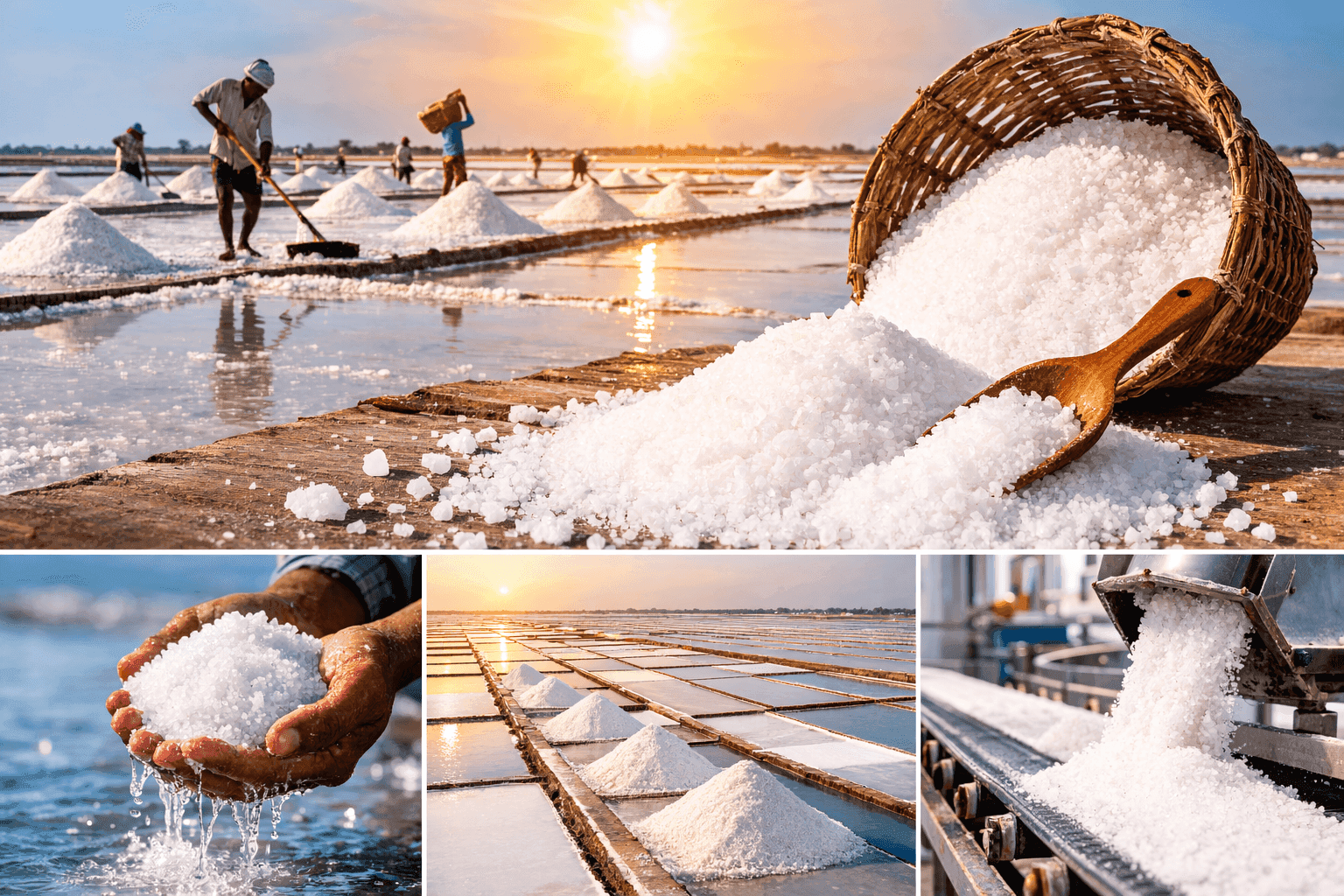
Salt production in India plays a crucial role in the country's economy and industrial development. India is currently the third-largest salt-producing country in the world, producing more than 30 million tonnes annually. The industry supports domestic consumption as well as global exports to several Asian countries.
The Indian salt industry relies primarily on solar evaporation methods, where seawater or brine is evaporated in shallow salt pans. Due to its long coastline and favorable climate conditions, India has developed a strong salt manufacturing sector.
Companies such as Namakwala and other salt manufacturers contribute significantly to supplying edible salt and industrial salt to domestic and international markets.
Salt production in India has existed for thousands of years. The industry gained historical significance during the Salt March of 1930, when Mahatma Gandhi protested the British salt tax by producing salt from seawater.
After independence, the salt industry expanded rapidly with improved infrastructure and modern manufacturing techniques. Today, India has one of the largest salt industries in the world.
Several Indian states contribute to salt production, but a few dominate the industry.
Gujarat produces over 80% of India’s total salt production. The Kutch region and coastal salt pans provide ideal conditions for large-scale salt manufacturing.
Tamil Nadu is the second-largest salt producer, especially in areas like Tuticorin, where coastal evaporation ponds are widely used.
Rajasthan produces salt primarily from Sambhar Lake, the largest inland salt lake in India.
Salt in India is obtained from several natural sources.
About 70% of India’s salt production comes from seawater evaporation.
Salt can also be extracted from underground brine sources using pumping techniques.
Natural salt lakes like Sambhar Lake contribute to inland salt production.
Although limited, rock salt mining also contributes to total production.
The most common method used in India is solar evaporation.
Seawater is pumped into large shallow ponds called salt pans.
Sunlight and wind cause water to evaporate, increasing the salt concentration.
Salt crystals begin forming as the brine reaches saturation.
Workers collect the salt crystals manually or using machinery.
The salt is washed, purified, dried, and sometimes iodized before packaging.
More than 60% of salt production in India is used for industrial purposes.
Major uses include:
Companies like Namakwala supply high-quality salt for both industrial and edible applications.
India exports salt to several international markets.
Major export destinations include:
India’s strong production capacity and competitive pricing make it an important global supplier.
Despite high production levels, the industry faces some challenges.
More than 60% of salt produced does not meet BIS industrial quality standards, requiring further purification.
Salt production depends heavily on dry weather conditions.
Countries like China and Australia compete in international salt markets.
The Indian salt industry is expected to grow due to increasing industrial demand and export opportunities. Improvements in refining technology, logistics, and quality control will help India strengthen its position in global markets.
Brands like Namakwala are focusing on delivering premium-quality salt products for both domestic consumers and international buyers.
Salt production in India is a vital sector supporting both the economy and industrial development. With over 30 million tonnes produced annually, India remains one of the largest salt producers in the world.
States like Gujarat, Tamil Nadu, and Rajasthan dominate production, while companies such as Namakwala help supply high-quality salt to national and global markets.
India produces approximately 31 to 39 million tonnes of salt annually, making it the third-largest salt producer in the world.
Gujarat produces over 80% of India’s total salt production.
Salt is primarily produced using the solar evaporation method, where seawater evaporates in salt pans, leaving salt crystals behind.
Salt is used in food processing, chemical manufacturing, textiles, leather processing, and water treatment.
India exports salt mainly to Japan, Vietnam, Indonesia, Malaysia, and Bangladesh.
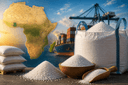
Ghana is one of West Africa's fastest-growing industrial economies, with strong demand for high-quality industrial raw materials. Industries such as mining, water treatment, chemical processing, manufacturing, textiles, and food processing depend on reliable supplies of industrial salt for daily operations.
6/11/2026

La France possède l'un des secteurs industriels les plus avancés d'Europe, avec des besoins croissants en matériaux abrasifs performants pour la fabrication, la construction navale, les infrastructures, l'industrie métallurgique et les applications de haute précision.
6/10/2026
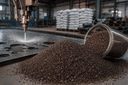
Deutschland gehört zu den weltweit führenden Industriestandorten und stellt höchste Anforderungen an Qualität, Präzision und Effizienz. Branchen wie Maschinenbau, Schiffbau, Stahlverarbeitung, Automobilindustrie und Infrastrukturprojekte benötigen leistungsstarke Abrasivmittel für anspruchsvolle Anwendungen.
6/1/2026
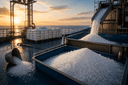
The global tuna industry depends heavily on advanced freezing systems to preserve the freshness, texture, and export quality of seafood during long fishing operations. For commercial tuna vessels operating from Bilbao, Spain, and major seafood fleets across France, maintaining premium-grade tuna quality is essential for international seafood markets.
5/28/2026
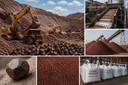
The United States is one of the world’s largest industrial markets with growing demand for high-performance abrasive materials used in manufacturing, marine engineering, steel fabrication, infrastructure, and heavy industrial applications.
5/21/2026
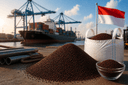
Indonesia merupakan salah satu negara industri terbesar di Asia Tenggara dengan pertumbuhan pesat di sektor manufaktur, konstruksi, galangan kapal, dan rekayasa berat. Industri-industri tersebut membutuhkan material abrasive berkualitas tinggi untuk mendukung proses produksi yang efisien dan presisi.
5/18/2026